
Global climate change has a serious impact on the Netherlands in many different ways. Dutch society faces significant challenges in reducing greenhouse gas emissions and achieving the transition to a more sustainable economy. Tackling the consequences of climate change requires tremendous efforts. Rising sea levels, drought, changes in water supply from rivers, and weather fluctuations demand major adjustments to the way the country is structured. The Netherlands has committed to both national and international agreements aimed at tackling climate change and reducing emissions (mitigation) and absorbing the consequences of global warming (adaptation), but there are still a lot of difficult choices to be made in both the short and longer term.
The Climate Policy project initiated by the Netherlands Scientific Council for Government Policy (WRR) focuses in particular on two aspects of climate policy: climate justice and long-term policy.
Climate justice
Climate policy affects citizens and businesses in a variety of ways, depending on aspects such as their living situation, their location and the nature of their activities. This means that the consequences of climate policy are not borne equally by all groups in society. Climate policy also has an impact on landscapes and ecosystems, where space is at a premium. Through its focus on climate justice, the WRR aims to help develop appropriate conceptual frameworks to achieve a fair distribution of both the benefits and the burden of climate change and climate policy. This is how the WRR is responding to the government’s call for research to be conducted into issues surrounding the distribution of climate-related risks, a call which came in the wake of the initiative policy document “Van oliedom naar gezond verstand: verduurzaming van de financiële sector” [“From being as thick as oil to having healthy good sense: increasing sustainability in the financial sector”] (Parliamentary Paper 35 446, Session Year 2019-2020).
Long-term policy
This project also focuses on the development of policy for the long term – to 2050 and beyond. In this way, the WRR intends to contribute to a climate policy which is flexible and able to respond to new developments, but which is also robust enough to guarantee the adjustments in social, economic and technological infrastructures that are necessary to tackle the effects of climate change. The project is in line with the Long-Term Strategy on Climate, which the Ministry of Economic Affairs and Climate presented to the Dutch House of Representatives on 25 November 2019.
News
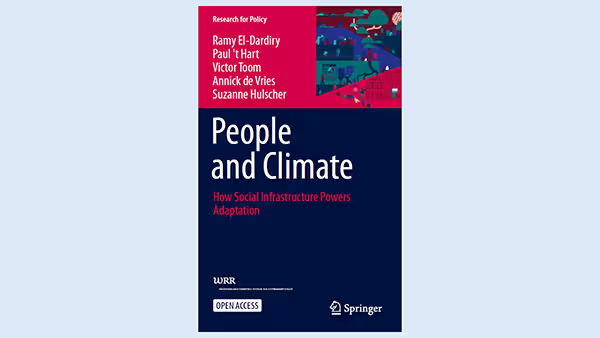
Springer publishes People and Climate
People and Climate: How Social Infrastructure Powers Adaptation. That’s the title of a new publication by the WRR and publisher ...
Read more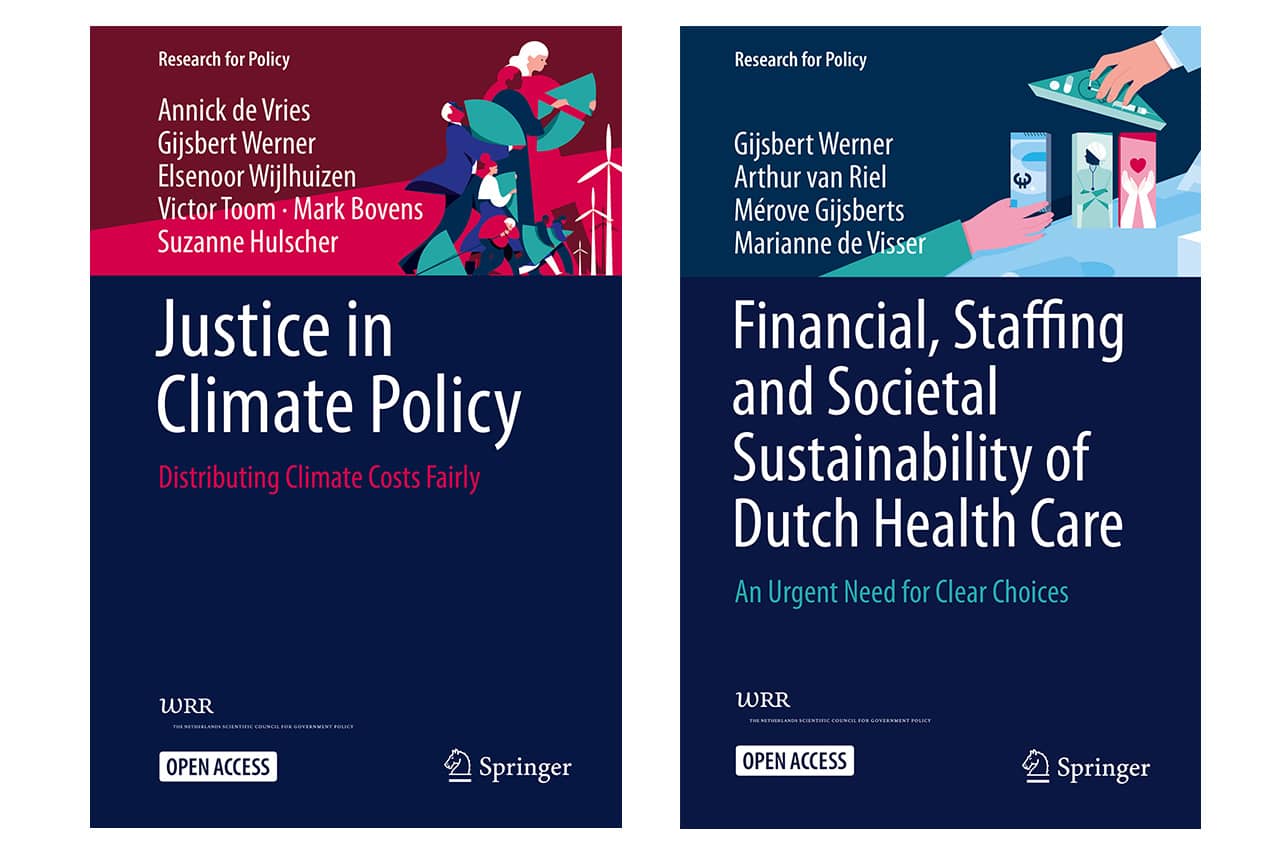
Two new Springer-titles: Climate Policy and the Dutch Health Care system
The Netherlands Scientific Council for Government Policy (WRR) and Springer published two new titles in the series 'Research for ...
Read more
Third Flemish Binoculars Symposium
The third edition of the Flemish Binoculars Symposium, entitled ‘Why and how to explore the future? And what role does science ...
Read more
Justice in climate policy more important than ever
Dutch society faces enormous challenges in the coming decades. Greenhouse gases must be reduced. We are going to make the country ...
Read more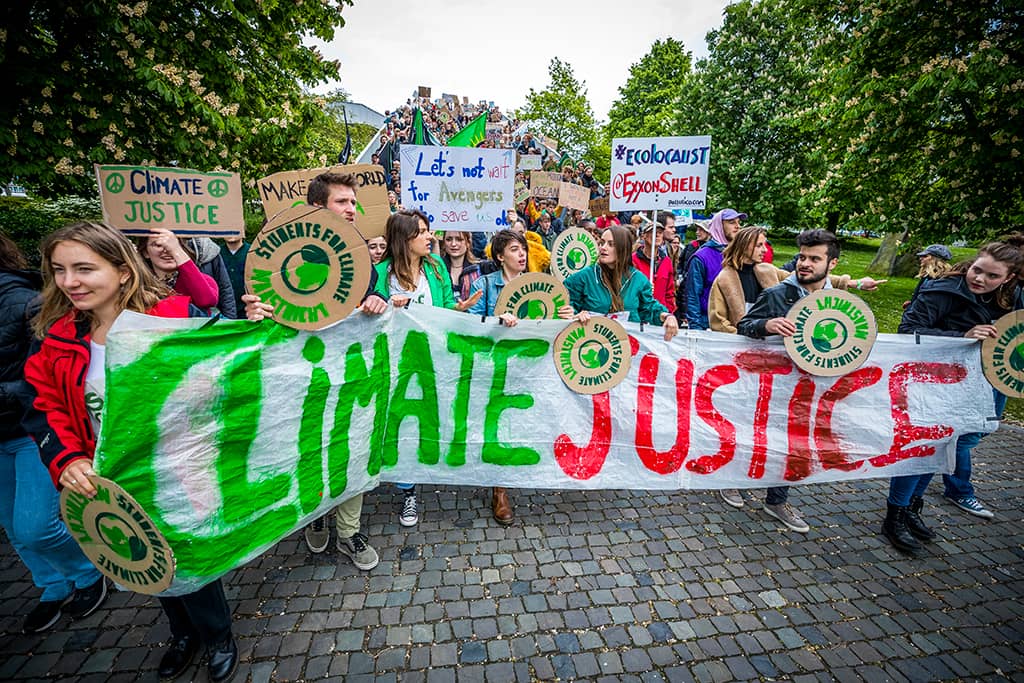
WRR launches Climate Policy project
Global climate change has a serious impact on the Netherlands in many different ways. The country is grappling not only with the ...
Read more